Restoration
Water Damage in Your Ceiling: Signs, Causes and What to Do Next
How to spot water damage in your ceiling, what causes it, what to do first, and when a stained or sagging ceiling needs drying, repair or replacement.
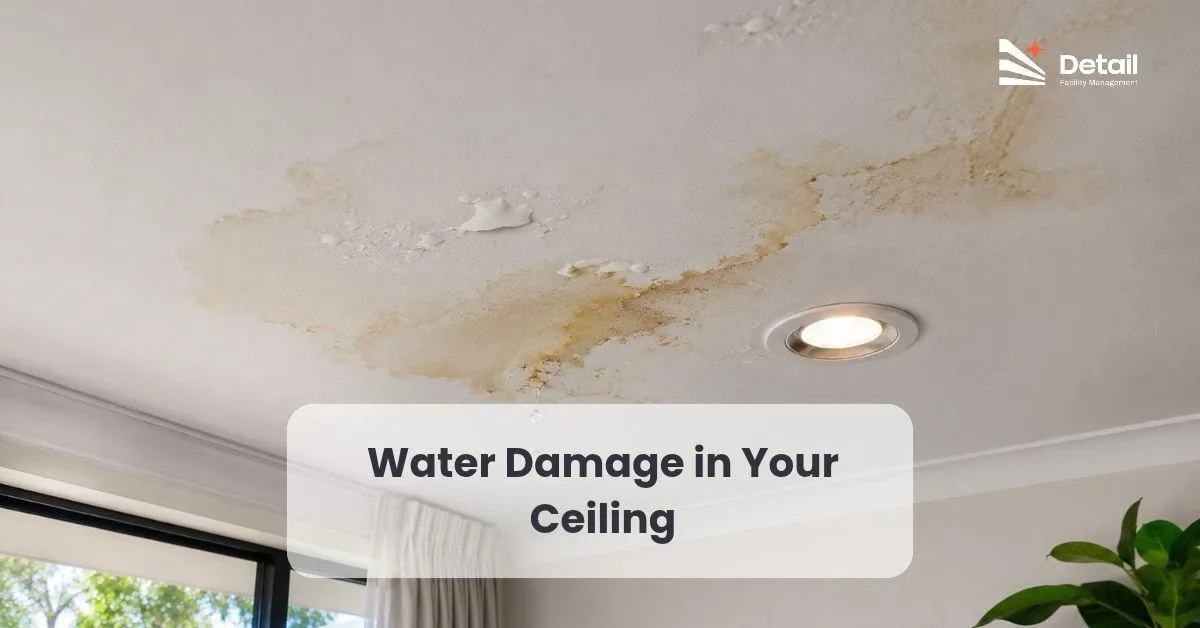
A brown stain or a bubble of paint on your ceiling usually means water is getting in from somewhere above. The stain is only the part you can see.
The plasterboard, insulation and timber above it may be soaking wet. This guide explains the warning signs, the common causes, what to do first and how to tell if your ceiling can be saved.
Quick answer
If you find water damage in your ceiling, stop the water if you can, switch off power to the area if water is near light fittings, and keep people out from under any sagging section. Then find the source of the leak and dry the ceiling space properly before you repair or paint.
A firm, dry ceiling with a small stain can usually be sealed and repainted. A soft, sagging or mouldy ceiling usually needs drying and the damaged section replaced.
Signs of water damage in your ceiling
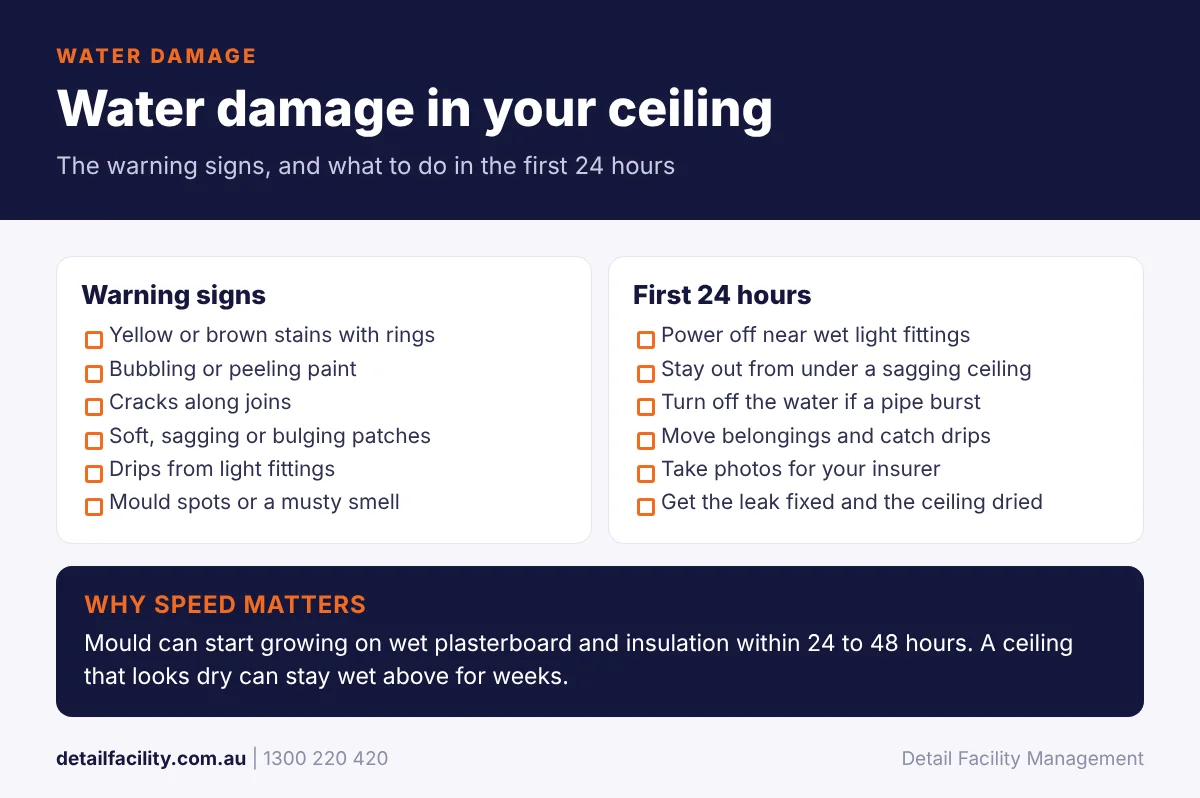
Water damage doesn't always look dramatic. Watch for these signs:
- Yellow or brown stains, often with darker rings around the edges
- Bubbling, peeling or flaking paint
- Cracks in the plaster or along the joins
- A soft, spongy or sagging patch that moves when you press it gently
- Drips from light fittings, downlights or exhaust fans
- Dark spots of mould around the stain
- A musty smell in the room, even when you can't see damage
A stain that grows after rain points to the roof. A stain that grows after showers or washing points to plumbing.
Common causes
| Cause | Where you will often see it | Clues |
|---|---|---|
| Roof leak (cracked tiles, rusted iron, flashing) | Upper rooms, near outside walls | Gets worse after rain |
| Blocked or overflowing gutters | Edges of the ceiling, near eaves | Stains after heavy rain, water marks on outside walls |
| Leaking shower or bathroom upstairs | Ceiling under a bathroom | Gets worse after showers |
| Burst or leaking pipe | Anywhere pipes run through the ceiling | Constant dripping, a hissing sound, a higher water bill |
| Hot water system or air conditioner leak | Near the unit, in the roof space | Water near the appliance, rust marks |
| Condensation | Bathrooms, laundries, cold bedrooms | Spotty marks and mould rather than one stain |
In apartments and multi-level buildings, the water often comes from the unit above. In that case the building manager or owners corporation usually needs to be involved.
What to do in the first 24 hours
1. Make the area safe
If water is near light fittings or power points, switch off the power to that area at the switchboard. Don't touch wet electrical fittings.
If the ceiling is bulging or sagging, keep everyone out of the room. A ceiling full of water can collapse without warning.
2. Stop the water
Turn off the water at the meter if a pipe has burst. If the leak is from the roof, place buckets and towels under it and call a roofer once it is safe.
3. Protect your things
Move furniture, rugs and electronics out of the way. Lay towels or plastic sheeting under the leak.
4. Take photos
Photograph the stain, the source of the water and any damaged belongings before you clean up. Your insurer will want to see them.
5. Call your insurer and a professional
Report the damage to your insurer early. Then get the leak fixed and the ceiling checked for moisture.
Why drying the ceiling matters
The paint can look dry within a day, while the plasterboard and insulation above stay wet for weeks. Mould can start growing on wet materials within 24 to 48 hours.
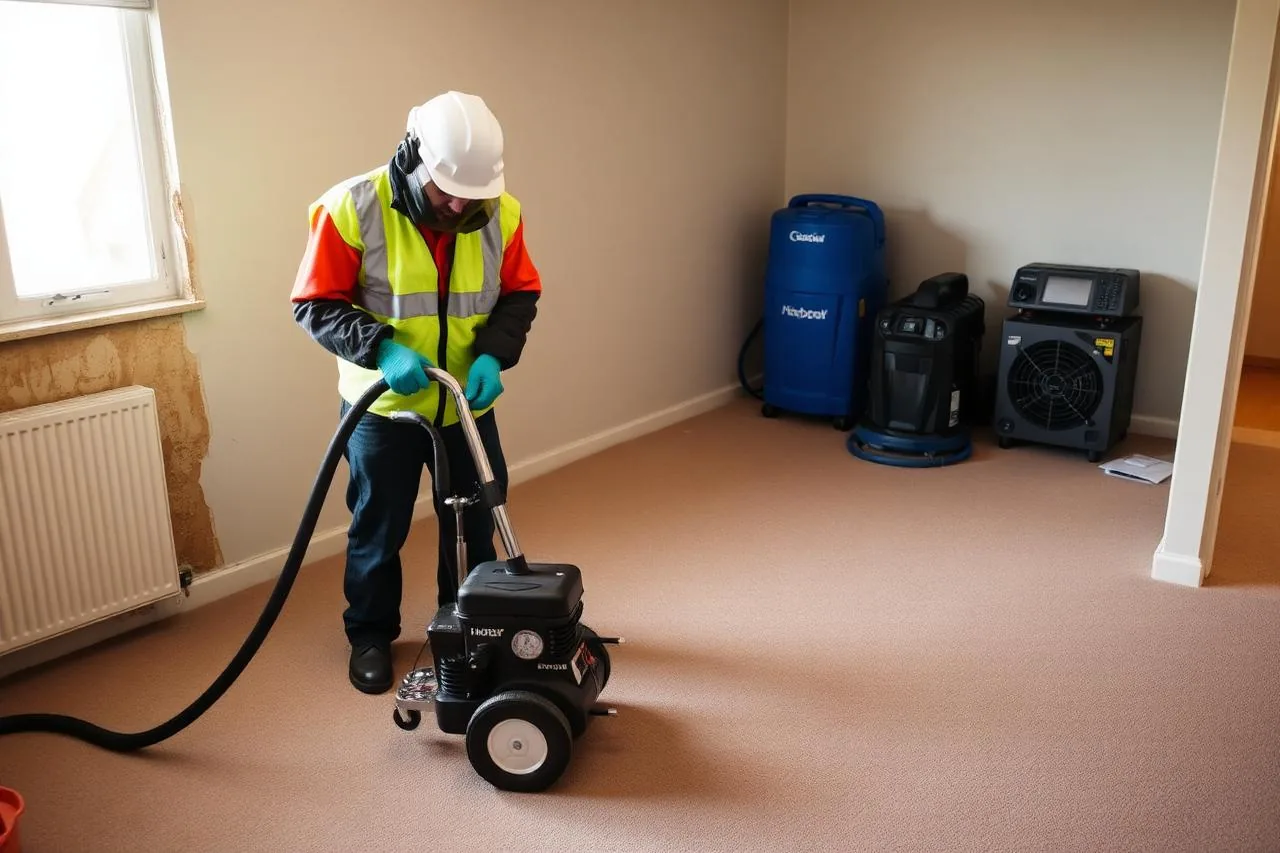
A proper drying job uses moisture meters to find all of the wet areas, not only the stained spot. Wet insulation often has to be removed because it holds water and dries very slowly.
Industrial dehumidifiers and air movers then dry the ceiling space. Readings are taken until the materials are back to a dry level.
Can the ceiling be saved?
| What you see | Usually means | Likely fix |
|---|---|---|
| Small stain, ceiling firm and dry | Old or minor leak, now stopped | Seal with stain-blocking primer and repaint |
| Stain with bubbling or peeling paint | Paint layer damaged | Scrape, dry, patch, seal and repaint |
| Soft or crumbling patch | Plasterboard has absorbed water | Cut out and replace that section |
| Sagging or bulging ceiling | Water pooling above, risk of collapse | Make safe, drain, dry and replace the damaged area |
| Mould around the stain | Moisture has been there for a while | Mould treatment, drying and repair |
If your home was built or renovated before 1990, the ceiling may contain asbestos. Don't cut, drill or sand it until it has been checked.
How much does ceiling water damage repair cost?
Small patch repairs often cost a few hundred dollars. One plastering company lists $125 to $1,200 for water damaged ceiling repairs in Sydney, depending on the damage.
Costs go up when the job needs drying equipment, mould treatment, insulation replacement or a new ceiling sheet. Painting the room afterwards is usually a separate cost.
If the damage came from a sudden event like a burst pipe or storm, your home insurance may cover the repairs. Check your policy and keep your photos and receipts.
Can you paint over a water stain?
Yes, but only after the leak is fixed and the ceiling is fully dry. If you paint too early, the stain and mould come back through the new paint.
Use a stain-blocking primer over the mark first. Then use a ceiling paint, or a mould-resistant paint in a bathroom or laundry.
Water damage in apartments, hotels and commercial buildings
In multi-level buildings, one leak can affect several floors. The ceiling damage you see may be coming from a unit, pipe or roof two or three levels up.
These jobs need every affected level checked early, with drying planned so residents, guests or staff can keep using the rest of the building. Our team has dried out a seven-level apartment building after a burst hot water pipe and five levels of an operating Melbourne hotel.
For businesses, see our 24/7 commercial emergency response.
How we can help
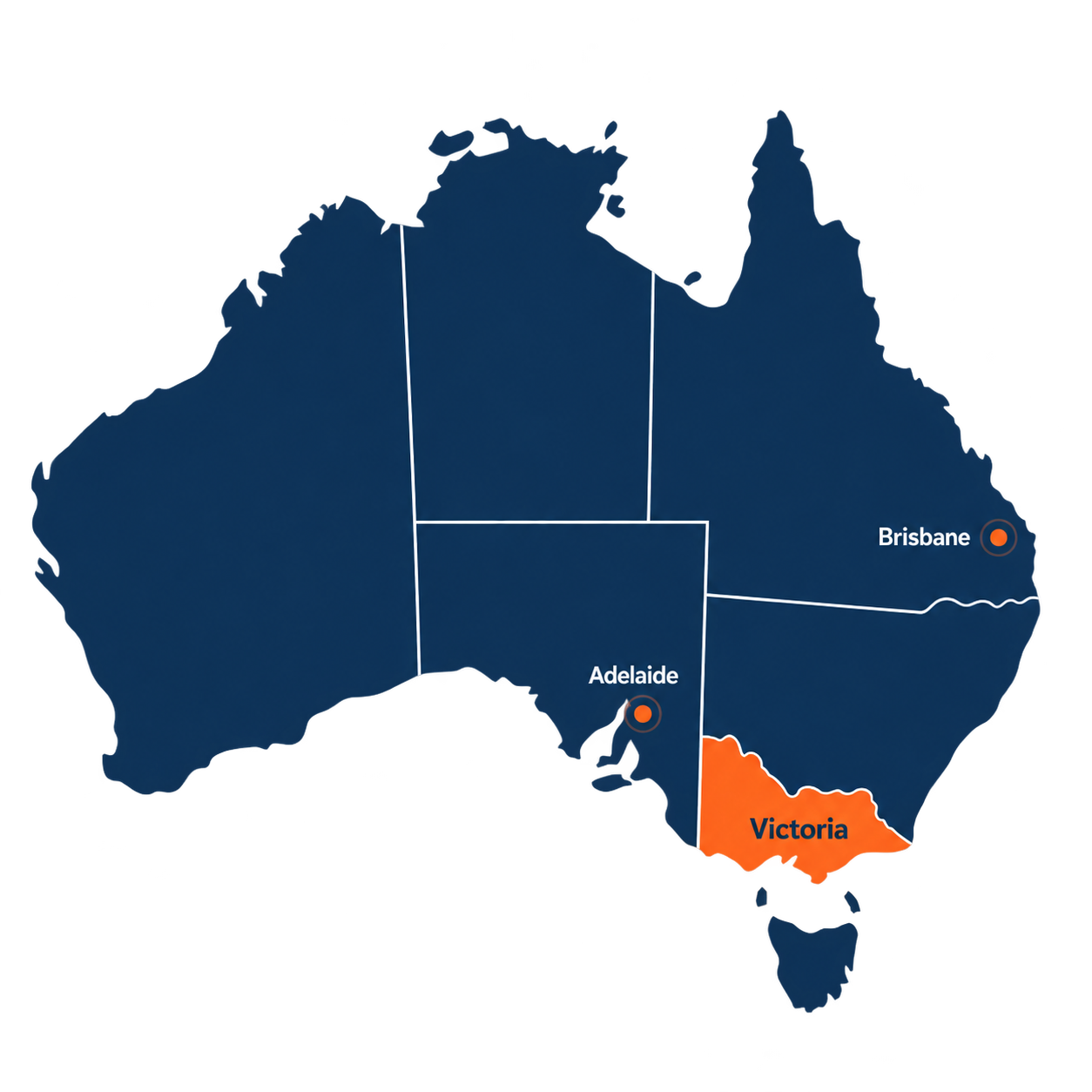
Detail Facility Management provides 24/7 water damage restoration across Melbourne and Victoria. We find the source, extract the water, dry the ceiling space and check for mould before anything is repaired.
Our trades can then repair the ceiling and repaint, so the whole job is handled by one team. Call 1300 220 420 any time.
Key points
- Stains, bubbling paint, sagging and a musty smell are the main warning signs
- Switch off power near wet light fittings and stay out from under a sagging ceiling
- Fix the leak first, then dry the ceiling space properly
- A firm, dry ceiling can be sealed and repainted, while a soft or sagging one needs replacing
- Mould can start within 24 to 48 hours, so act quickly