Case Study
Flood Damage Restoration at a Leading Specialist College in Dromana
How our IICRC-aligned crew contained, stripped and dried a leading specialist college in Dromana after floodwater damaged classrooms, offices and shared spaces.
Project Overview
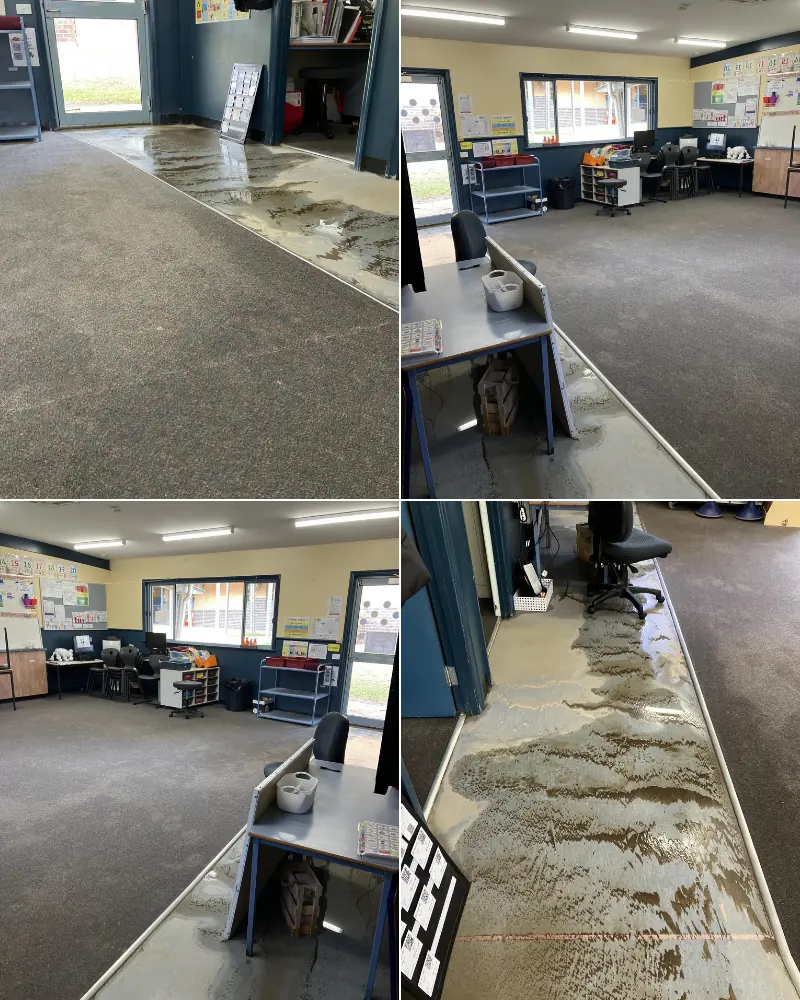
In early April 2024, a severe storm swept across the Dromana region, bringing heavy rainfall that caused widespread flooding. One local specialist school was heavily affected when the external drainage system became overwhelmed, and stormwater began seeping underneath classroom doors. Within hours, several classrooms, offices, and common areas were soaked, and the flooring materials and lower wall linings were holding significant moisture.
Our restoration team was called to assist immediately after the incident. Upon arrival, we conducted a detailed assessment of the site and found extensive water ingress across multiple rooms, including classrooms, the kitchen, withdrawal spaces, and the art room. Moisture readings confirmed that many areas were saturated, with carpets, underlays, and wall linings affected by muddy stormwater. This level of contamination classified the event as Category 3 (CAT3) stormwater damage, which required strict hygiene and environmental control procedures to ensure a safe and thorough restoration.
Restoration Approach
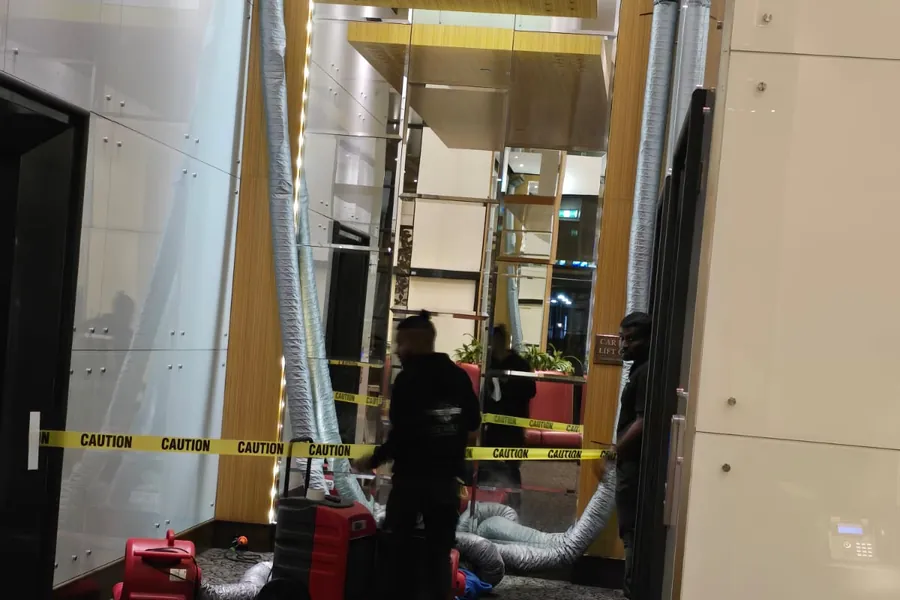
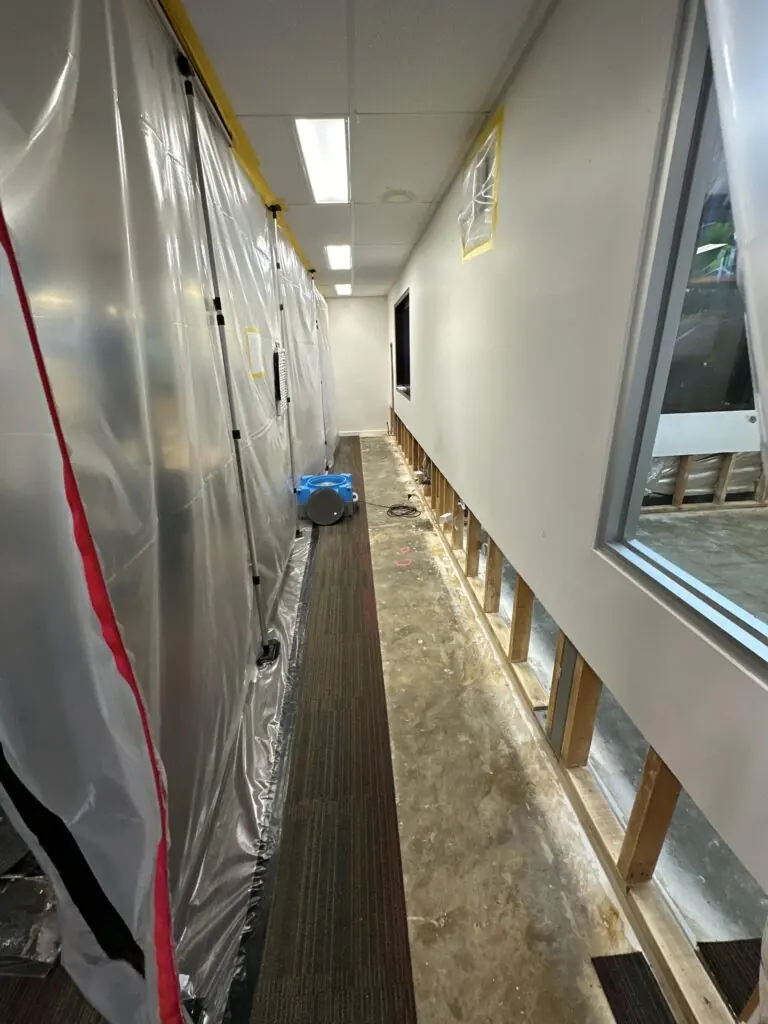
To stabilise the internal environment, we introduced HEPA-filtered air scrubbers and placed the affected zones under negative air pressure. This helped control airborne contaminants and maintain safe air quality while our teams worked. Electrical and plumbing services were isolated where necessary to ensure safety throughout the process.
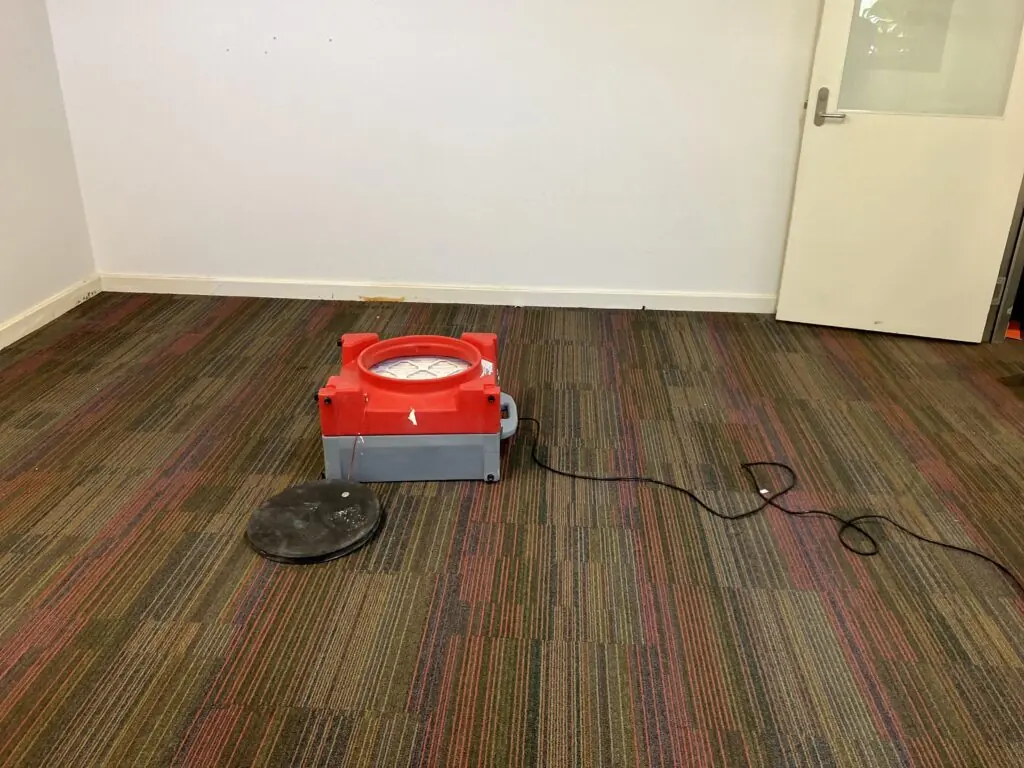
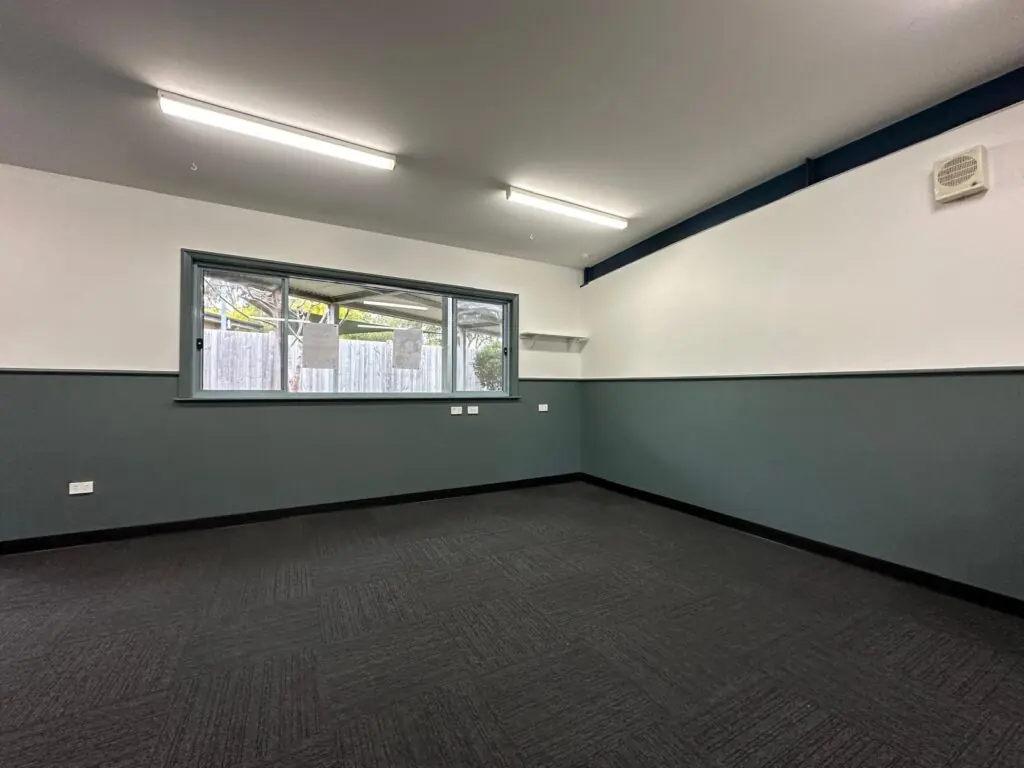
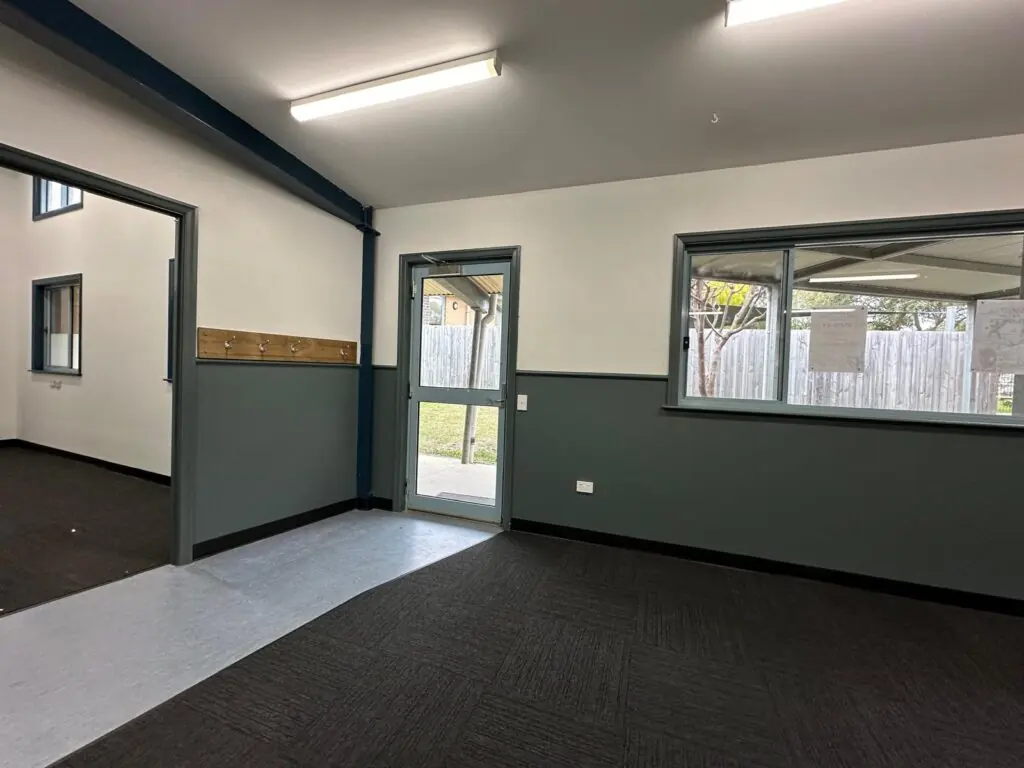
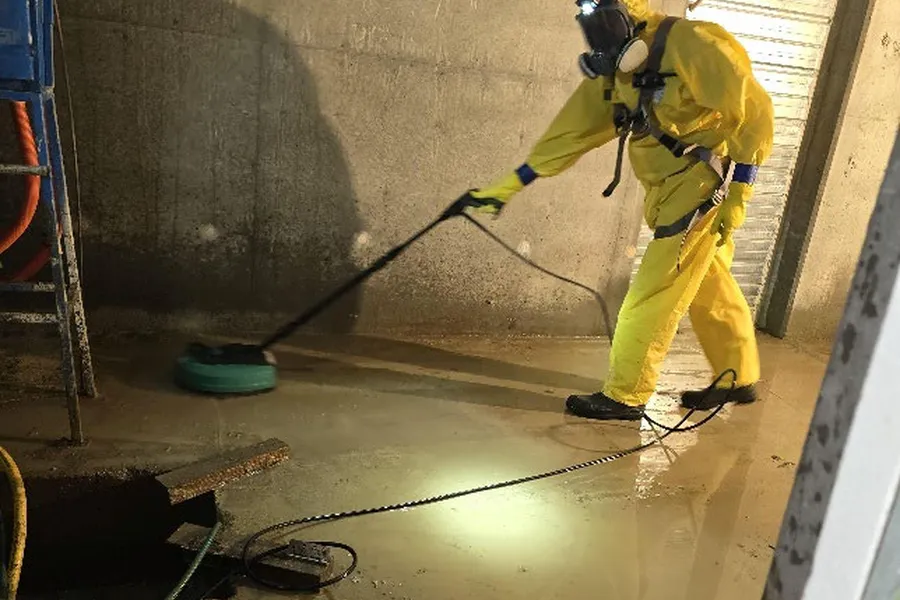
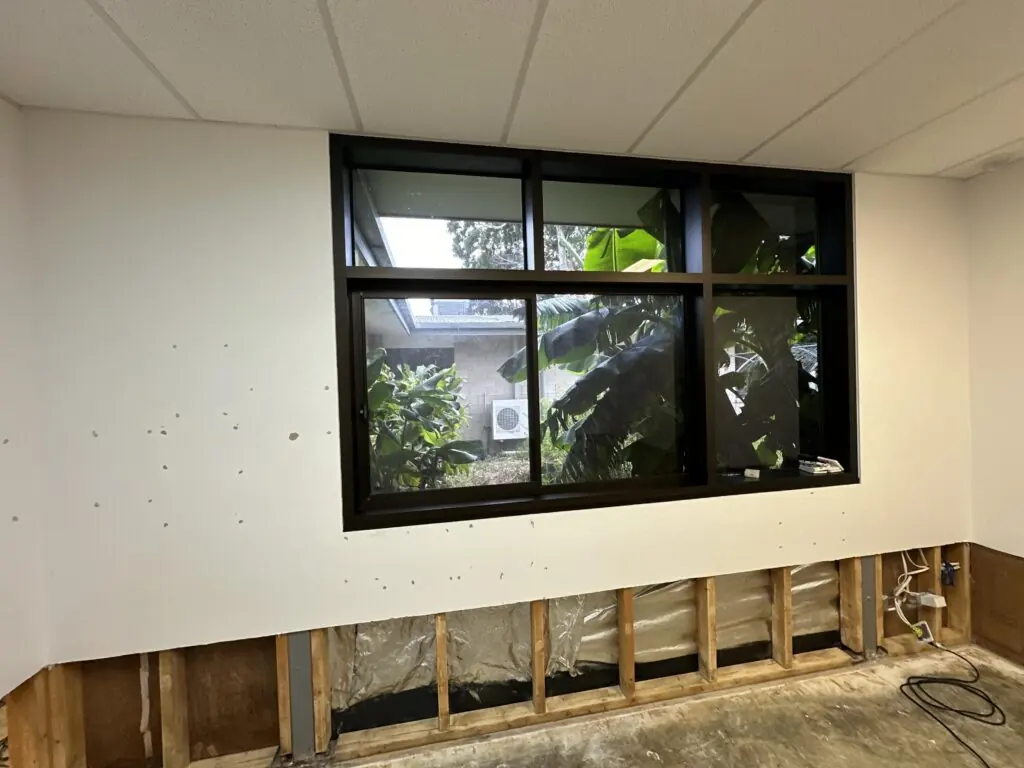
Next, we removed all damaged building materials, including saturated carpets, underlays, skirting boards, and sections of plasterboard and insulation that showed signs of water absorption. The removal was completed to approximately 300mm from the floor where moisture was detected. After clearing these materials, all exposed wall frames and subfloors were meticulously cleaned and disinfected to eliminate bacteria and prevent mould development.
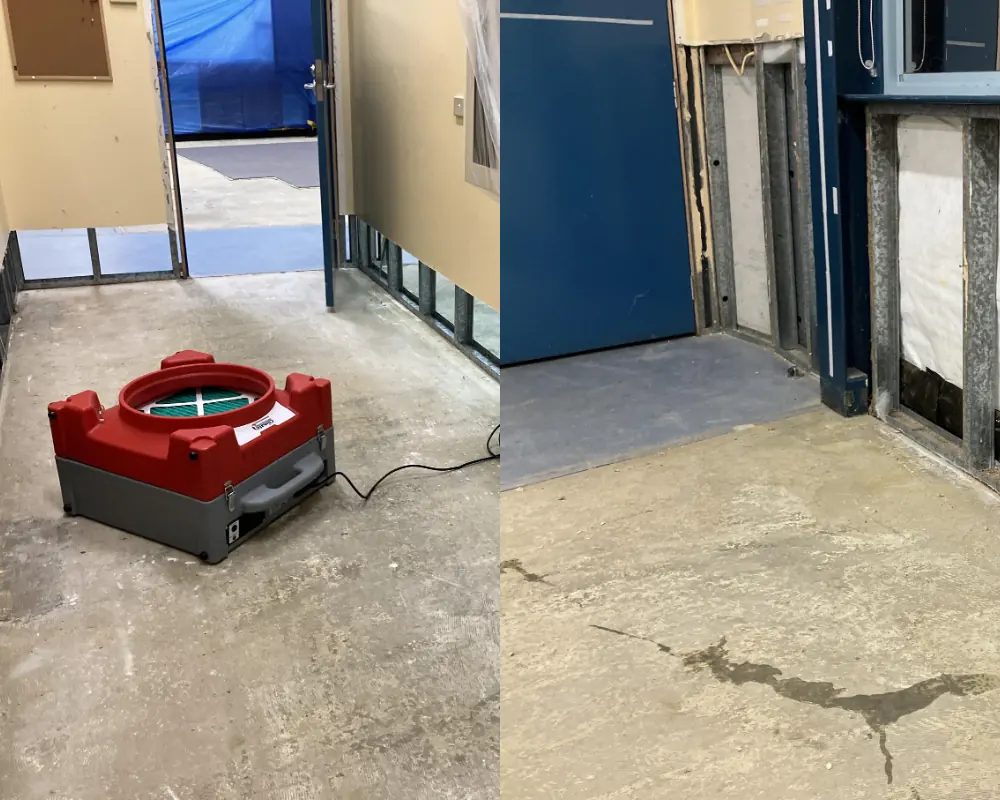
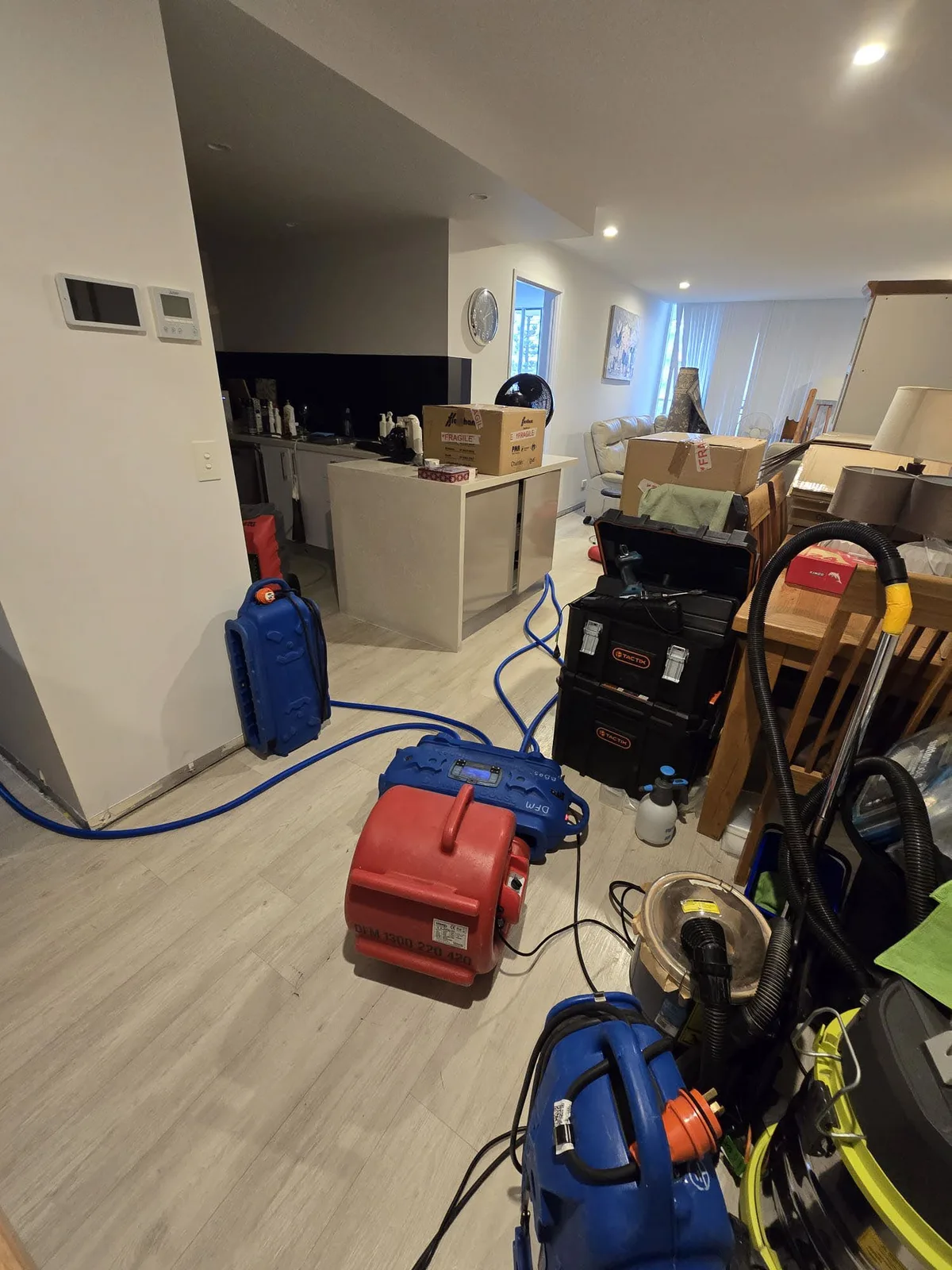
Once the contaminated materials were removed and surfaces were sanitised, we began the structural drying phase. A combination of air movers, dehumidifiers, and air filtration devices was strategically installed throughout the affected areas. These units worked together to increase airflow, reduce humidity, and accelerate evaporation. Moisture readings were taken regularly, and adjustments were made as necessary to ensure consistent and effective drying.
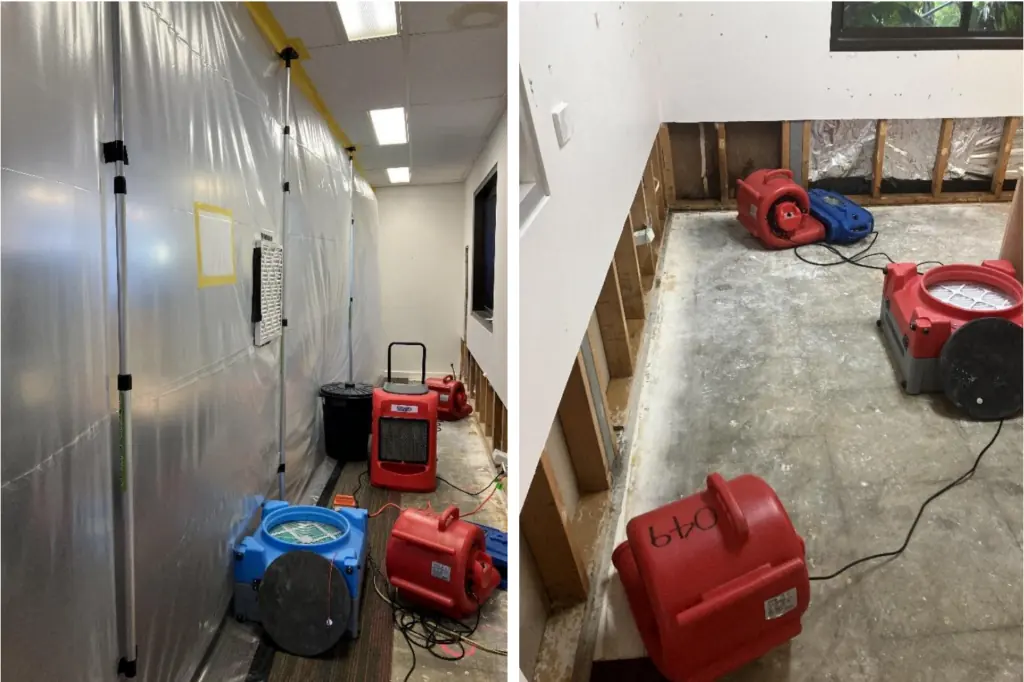
We maintained environmental controls throughout the entire process. The containment and HEPA filtration systems remained in operation for a minimum of 24 hours after all drying works were completed to ensure the air remained clean and that no residual contaminants were present. Daily site monitoring allowed us to track progress and confirm that the structure was drying evenly and safely.
Project Outcome
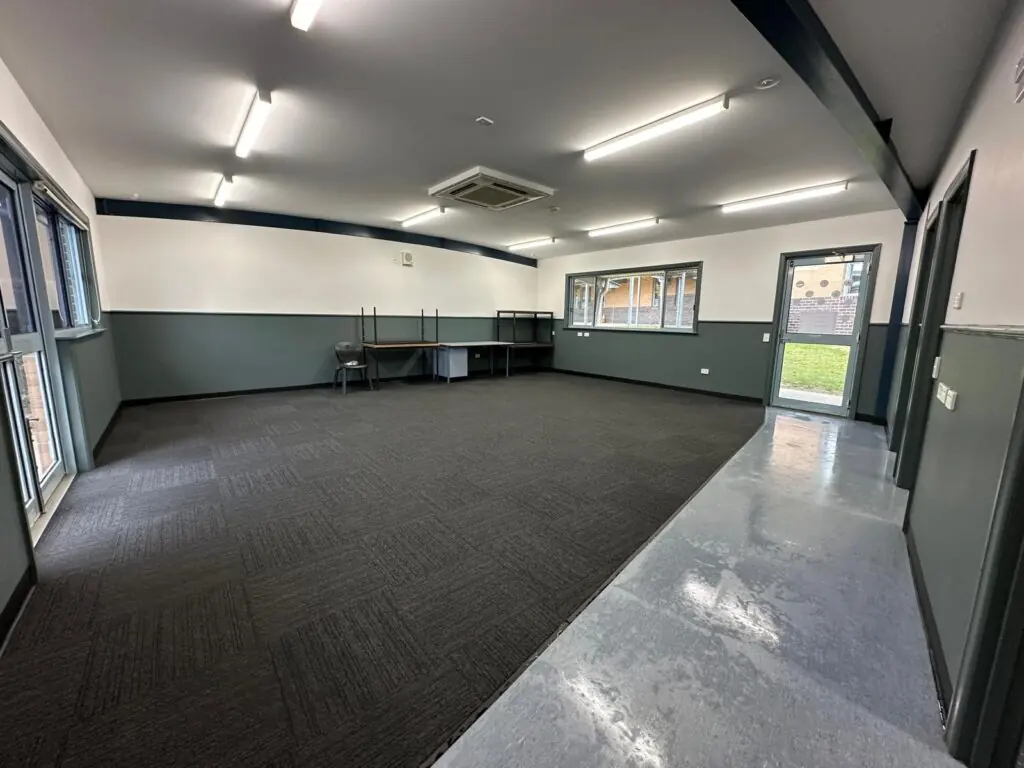
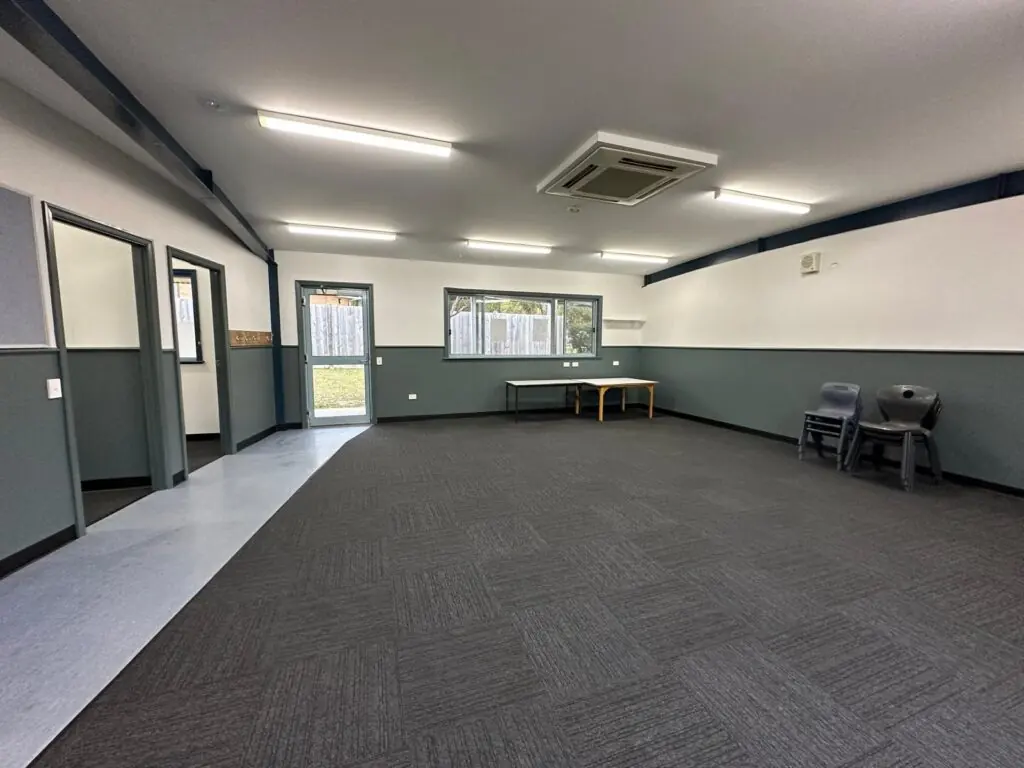
By the conclusion of the project, the building was fully stabilised, with moisture readings returning to normal levels. All affected materials were removed and disposed of safely, and the internal spaces were restored to a clean, dry, and hygienic condition. The school was then ready for reinstatement works to return the classrooms and shared spaces to their normal use.