Cleaning
Crawl Space Cleaning in Australia: A Practical, Expert Guide
What Australian owners need to know about crawl space cleaning — moisture control, mould prevention, process, costs and choosing the right specialist.
Introduction
Crawl space cleaning is often overlooked in Australian homes, yet it plays a critical role in maintaining indoor air quality, structural integrity, and overall hygiene. From my experience working with property maintenance teams, many homeowners only discover issues in their crawl spaces when mould, pests, or damp odours become impossible to ignore.
In Australia, where climate conditions vary from humid coastal zones to dry inland regions, crawl spaces are particularly vulnerable to moisture buildup, pests, and debris accumulation. Therefore, understanding how to clean and maintain these spaces properly can prevent costly repairs and health risks.
If you're aiming to protect your property and improve your living environment, this guide will walk you through everything you need to know, practically and clearly.
What is crawl space cleaning?
Crawl space cleaning is the process of removing debris, moisture, mould, and pests from the subfloor area of a building. It improves air quality, prevents structural damage, and reduces health risks. In Australia, it often includes moisture control, insulation checks, and pest prevention tailored to local climate conditions.
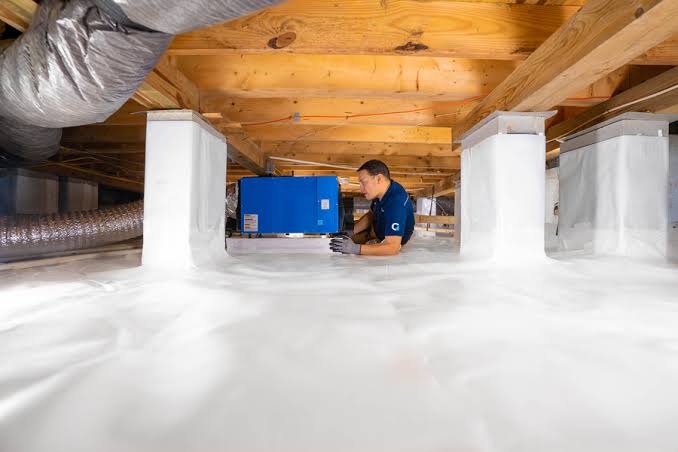
Why crawl space cleaning matters in Australia
Crawl spaces directly impact the air inside your home. In fact, according to the CSIRO, indoor air quality is heavily influenced by subfloor conditions, especially in poorly ventilated homes.
Key reasons:
- Moisture control: Coastal areas like Sydney experience high humidity, leading to mould growth.
- Pest prevention: Termites and rodents thrive in dark, damp crawl spaces.
- Structural protection: Excess moisture can weaken timber foundations.
- Health benefits: Reduces allergens and airborne contaminants.
Additionally, the Australian Government Department of Health highlights that mould exposure can cause respiratory issues, particularly in children and older adults.
Common problems in Australian crawl spaces
1. Moisture and dampness
Heavy rainfall and poor drainage can lead to water accumulation.
2. Mould and mildew
Warm, humid environments accelerate fungal growth.
3. Pest infestations
Termites are a major concern in Australia, especially in Queensland and NSW.
4. Poor ventilation
Older homes often lack proper airflow under the house.
5. Debris and contamination
Construction waste, insulation fragments, and organic matter build up over time.
Crawl space cleaning process (step-by-step checklist)
Here's a practical checklist based on industry practices:
- Inspection — check for mould, pests, standing water, and damage.
- Remove debris — clear rubbish, organic waste, and old insulation.
- Moisture control — fix leaks and install vapour barriers.
- Mould treatment — apply approved cleaning solutions safely.
- Pest control — address infestations using licensed services.
- Ventilation improvement — install vents or fans if needed.
- Final sanitisation — disinfect surfaces for improved hygiene.
From experience, skipping the inspection stage is the most common mistake homeowners make — it leads to incomplete cleaning.
DIY vs professional crawl space cleaning
While DIY might seem cost-effective, it's not always the best option.
DIY cleaning
- Lower upfront cost
- Suitable for minor issues
- Requires safety precautions
Professional services
- Comprehensive cleaning
- Access to specialised equipment
- Compliance with Australian safety standards
If you're unsure, it's worth exploring a professional crawl space cleaning service in Australia through trusted providers like expert crawl space cleaning solutions.
Costs of crawl space cleaning in Australia
Costs vary depending on size, condition, and severity of issues.
Estimated price range (AUD)
- Basic cleaning: $500 – $1,500
- Moderate cleaning with mould removal: $1,500 – $3,500
- Extensive remediation: $3,500+
Note: Prices are estimates and may vary by region and service provider.
Tools, equipment & safety considerations
Essential equipment
- Protective gear (gloves, masks, coveralls)
- Industrial vacuum
- Moisture meter
- Dehumidifier
- Lighting equipment
Safety tips
- Always wear respiratory protection
- Avoid direct contact with mould
- Ensure proper ventilation
According to Safe Work Australia, exposure to mould and dust in confined spaces can pose serious health risks if not managed properly.
Prevention tips after cleaning
Once your crawl space is clean, maintenance is key.
Best practices
- Install vapour barriers
- Improve drainage around your home
- Schedule annual inspections
- Maintain proper ventilation
- Seal entry points for pests
From my experience, prevention is significantly cheaper than remediation.
Crawl space cleaning comparison table
| Aspect | DIY Cleaning | Professional Cleaning |
|---|---|---|
| Cost | Lower upfront | Higher upfront |
| Effectiveness | Moderate | High |
| Safety | Risky if untrained | Professionally managed |
| Equipment | Limited | Advanced tools |
| Time Required | High | Faster completion |
| Long-Term Results | Variable | More reliable |
People also ask
Expert Q&A
Conclusion
Crawl space cleaning is not just a maintenance task — it's an investment in your home's health, safety, and longevity. In Australia's diverse climate, neglecting this area can lead to moisture problems, pest infestations, and structural damage.
By understanding the process, costs, and benefits, you can make informed decisions that protect your property and your family.
If you're ready to take action, consider professional support through Detail Facility Management to ensure thorough results and long-term protection.