Cleaning
Cold Storage Cleaning in Australia: The Complete Guide
How specialist cold storage cleaning works in Australia — hygiene standards, HACCP compliance, methods, costs and choosing a qualified provider.
Introduction
Cold Storage Cleaning is essential for maintaining hygiene, safety, and operational efficiency in Australia's food supply chain. From seafood exporters in Western Australia to meat processors in Queensland, properly cleaned cold rooms prevent contamination, reduce spoilage, and ensure compliance with strict food safety standards.
From my experience working with facility maintenance teams, many businesses underestimate how quickly bacteria, mould, and ice build-up can compromise both product quality and equipment lifespan. That's why a structured, well-informed approach to Cold Storage Cleaning is critical, not just for compliance, but for long-term cost savings.
For businesses looking for professional support, consider partnering with a trusted provider offering specialised cold storage cleaning services in Australia to ensure consistent results and compliance.
What is cold storage cleaning?
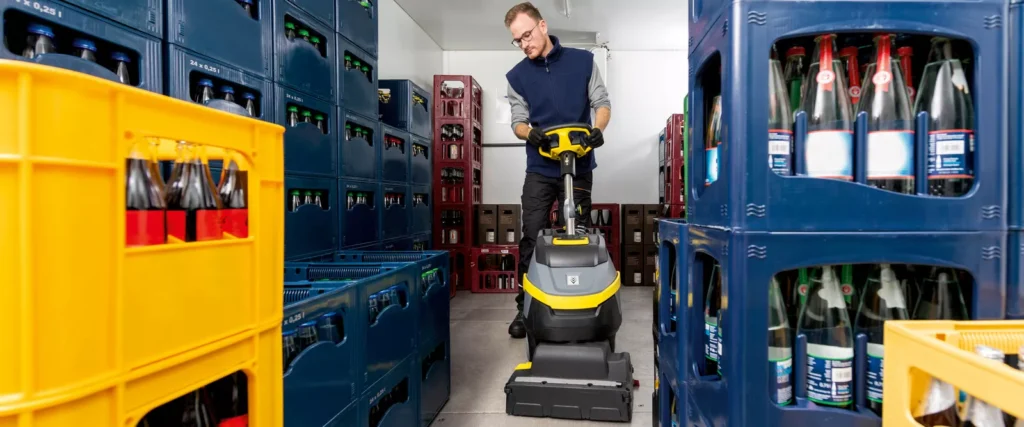
Cold Storage Cleaning is the process of removing dirt, bacteria, mould, and ice build-up from refrigerated or frozen storage facilities using specialised equipment and temperature-safe cleaning methods. It ensures food safety, prevents contamination, and maintains compliance with Australian hygiene standards in industries like food processing, logistics, and pharmaceuticals.
Why cold storage cleaning matters in Australia
Australia has one of the strictest food safety systems globally. Cold storage facilities must maintain hygiene standards to prevent contamination and protect public health.
Key reasons include:
Food Safety Compliance: According to Food Standards Australia New Zealand, businesses must ensure storage environments prevent contamination.
- Temperature Integrity: Dirty evaporators and blocked airflow reduce cooling efficiency.
- Shelf Life Extension: Clean environments reduce microbial growth.
- Worker Safety: Ice build-up increases slip hazards.
Additionally, Australia's climate, particularly humidity in coastal regions, accelerates mould growth inside cold rooms, making regular cleaning even more critical.
Common challenges in cold storage cleaning
Cold storage environments present unique difficulties:
1. Low temperatures
Cleaning in sub-zero conditions limits the effectiveness of standard detergents.
2. Ice build-up
Ice accumulation can hide contaminants and damage infrastructure.
3. Downtime constraints
Facilities often operate 24/7, leaving limited time for cleaning.
4. Safety risks
Workers face risks such as slips, hypothermia, and confined spaces.
5. Equipment sensitivity
Incorrect cleaning methods can damage insulation panels or refrigeration systems.
Step-by-step cold storage cleaning process
A structured approach ensures thorough and efficient cleaning.
1. Preparation
- Remove stock and cover sensitive equipment
- Turn off refrigeration if required
- Assess contamination level
2. Dry cleaning
- Sweep debris
- Remove ice manually or with steam
3. Pre-rinse
- Use low-pressure warm water (where safe)
- Avoid excessive moisture in freezer zones
4. Detergent application
- Apply food-safe, low-temperature detergents
- Focus on walls, floors, and evaporators
5. Scrubbing
- Manual or mechanical scrubbing
- Pay attention to joints and corners
6. Rinse
- Remove all chemical residues
7. Sanitisation
- Apply approved sanitisers effective at low temperatures
8. Drying and restart
- Ensure surfaces are dry
- Restart refrigeration systems
Equipment and chemicals used in Australia
Cold storage cleaning requires specialised tools:
Common equipment
- Industrial pressure washers
- Steam cleaners
- Foam cleaning systems
- Ice removal tools
Cleaning chemicals
- Low-temperature detergents
- Food-grade sanitisers
- Anti-microbial agents
According to Safe Work Australia, all chemicals must be used according to safety data sheets and workplace safety guidelines.
Compliance and standards in Australia
Cold storage cleaning must align with:
- Food Standards Code (FSANZ)
- HACCP (Hazard Analysis Critical Control Points)
- Work Health and Safety (WHS) regulations
These are administrative and operational frameworks, not legal advice, but they guide businesses in maintaining hygiene and safety.
Regular audits often check:
- Cleanliness levels
- Documentation of cleaning schedules
- Staff training
Comparison table: manual vs automated cleaning
| Feature | Manual Cleaning | Automated Cleaning |
|---|---|---|
| Cost | Lower upfront | Higher initial investment |
| Consistency | Variable | Highly consistent |
| Labour Requirement | High | Low |
| Cleaning Speed | Slower | Faster |
| Suitability | Small facilities | Large-scale operations |
| Precision | Depends on worker skill | Programmed accuracy |
Best practices for effective cold storage cleaning
To achieve optimal results:
1. Schedule regular cleaning
Routine cleaning prevents heavy contamination build-up.
2. Use temperature-compatible products
Standard chemicals lose effectiveness in cold environments.
3. Train staff properly
Workers should understand both hygiene and safety procedures.
4. Monitor high-risk areas
Focus on:
- Door seals
- Drains
- Evaporators
5. Document everything
Maintain cleaning logs for audits and compliance.
Checklist: cold storage cleaning routine
Use this checklist for consistency:
- Inspect facility for contamination and ice build-up
- Remove stock and isolate sensitive equipment
- Perform dry cleaning (debris + ice removal)
- Apply detergent suitable for low temperatures
- Scrub all surfaces thoroughly
- Rinse and remove residues
- Apply sanitiser
- Dry and restore operations
- Record cleaning activity
People also ask
Q&A
Conclusion
Cold Storage Cleaning is not just a maintenance task, it's a critical component of food safety, operational efficiency, and compliance in Australia. By following structured processes, using the right equipment, and adhering to national standards, businesses can protect both their products and their reputation.
If you're looking to improve hygiene standards or streamline your cleaning processes, partnering with experts can make a significant difference. Explore professional solutions through trusted providers like Detail Facility Management and take the next step towards safer, more efficient cold storage operations.